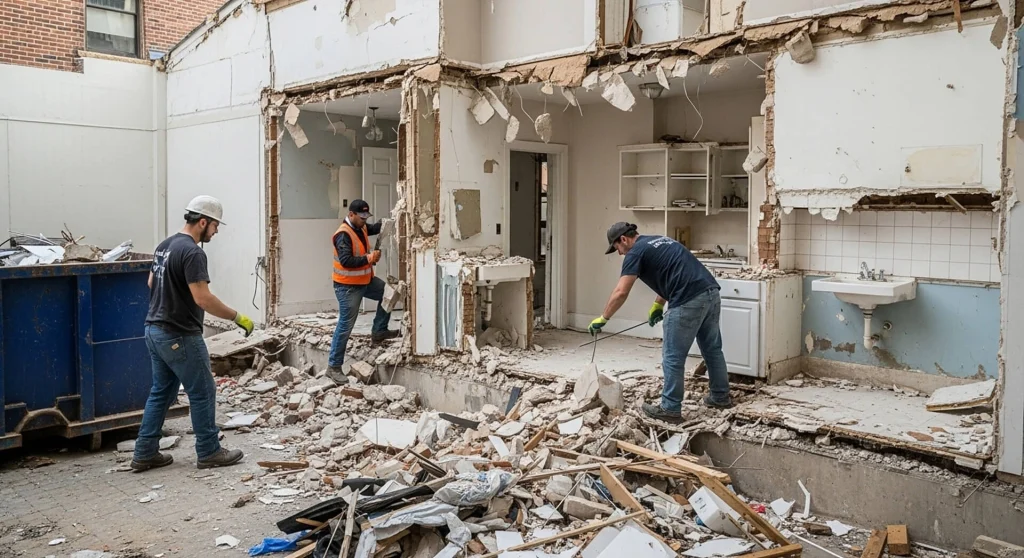
You’ve got a property that needs to come down. Maybe it’s an old building that’s falling apart. Maybe you’re clearing space for something new. Either way, you’re probably wondering how this whole demolition thing actually works.
It’s not just about swinging wrecking balls and watching things crumble. There’s a lot more to it. Planning, permits, safety checks, and cleanup all play a role. If you skip any step, you could end up with fines, delays, or worse.
If you’re new to demolition in NYC, understanding the process helps you know what to expect and what questions to ask. Here’s a simple breakdown of how it all works.
Step 1: Initial Assessment and Planning
Every demolition project starts with a thorough assessment. A professional team visits the site to evaluate the structure. They look at the building’s age, materials, and condition.
This step answers important questions:
- What type of structure is it?
- Are there hazardous materials like asbestos or lead paint?
- How close are neighboring buildings?
- What utilities need to be disconnected?
- What’s the best method for bringing it down?
Skipping this assessment can lead to serious problems later. A building might look simple on the outside but have hidden complications inside. Older structures in New York often contain materials that require special handling.
A good demolition company in NYC won’t rush this step. They take time to understand the site before making any plans.
Step 2: Permits and Approvals
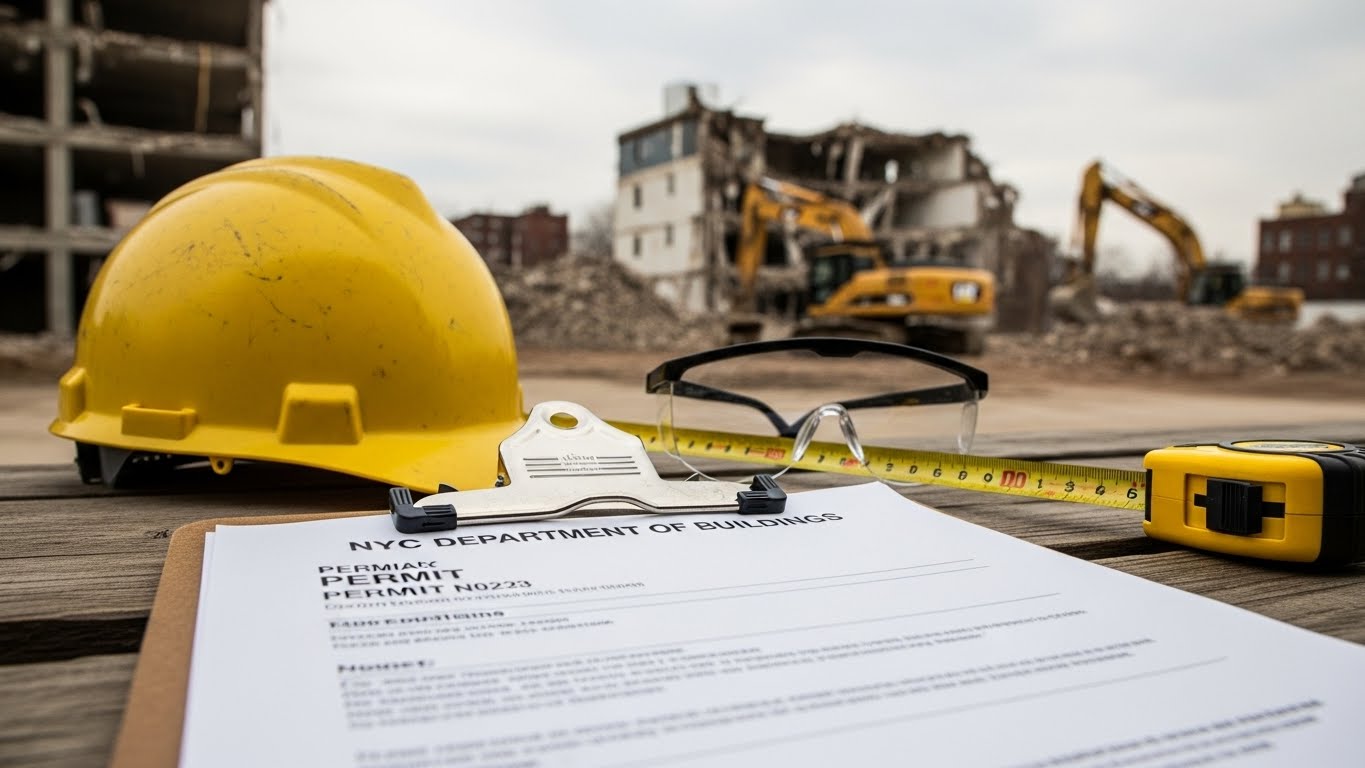
You can’t just knock something down because you feel like it. New York City requires permits for demolition work. The Department of Buildings oversees this process and has strict rules.
According to NYC regulations, demolition permits can take anywhere from a few weeks to several months, depending on the project. Larger or more complex jobs require additional approvals.
The permit process includes:
- Submitting detailed plans for review
- Notifying utility companies to disconnect services
- Getting approval for debris disposal
- Meeting fire department requirements
- Coordinating with neighboring property owners
Working with a licensed demolition company in NYC makes this easier. They handle the paperwork and know how to move things along without unnecessary delays.
Step 3: Hazardous Material Removal
Before any actual demolition begins, hazardous materials must be identified and removed. This is called abatement.
Common hazardous materials found in older buildings include:
- Asbestos in insulation, tiles, and pipe coverings
- Lead paint on walls and trim
- Mercury in thermostats and switches
- PCBs in old electrical equipment
Asbestos alone is found in an estimated 30 million buildings across the United States. In a city like New York with so many older structures, it’s almost expected.
Certified professionals handle abatement. They wear protective gear, seal off areas, and dispose of materials according to environmental regulations. This step protects workers, neighbors, and the environment.
Read More:
Step 4: Utility Disconnection
Before the crew starts tearing things down, all utilities must be disconnected. Gas, electricity, water, and sewer lines need to be properly shut off and capped.
Hitting an active gas line during demolition can cause explosions. Striking a live electrical wire can result in electrocution. These aren’t risks worth taking.
The demolition company coordinates with utility providers to schedule disconnections. This often needs to happen days or weeks before work begins. It’s another reason why planning ahead matters.
Step 5: The Actual Demolition
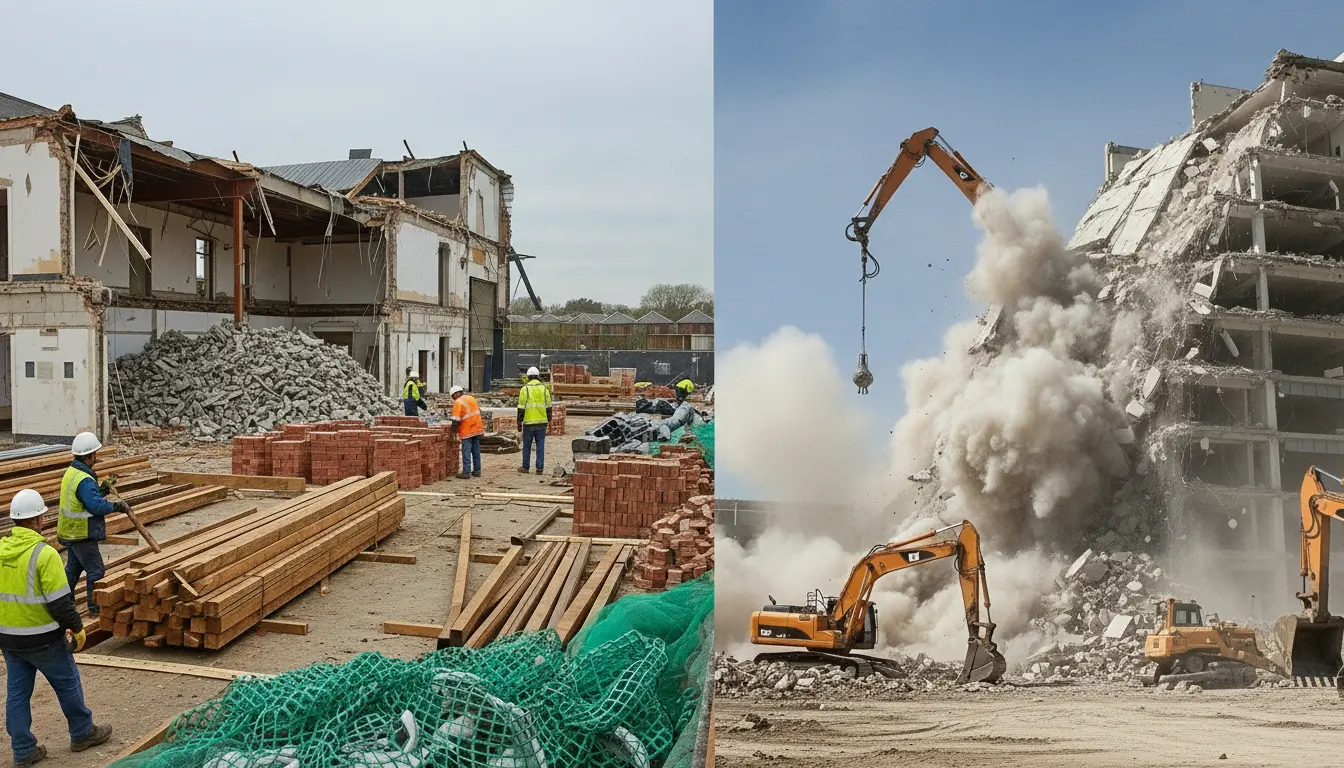
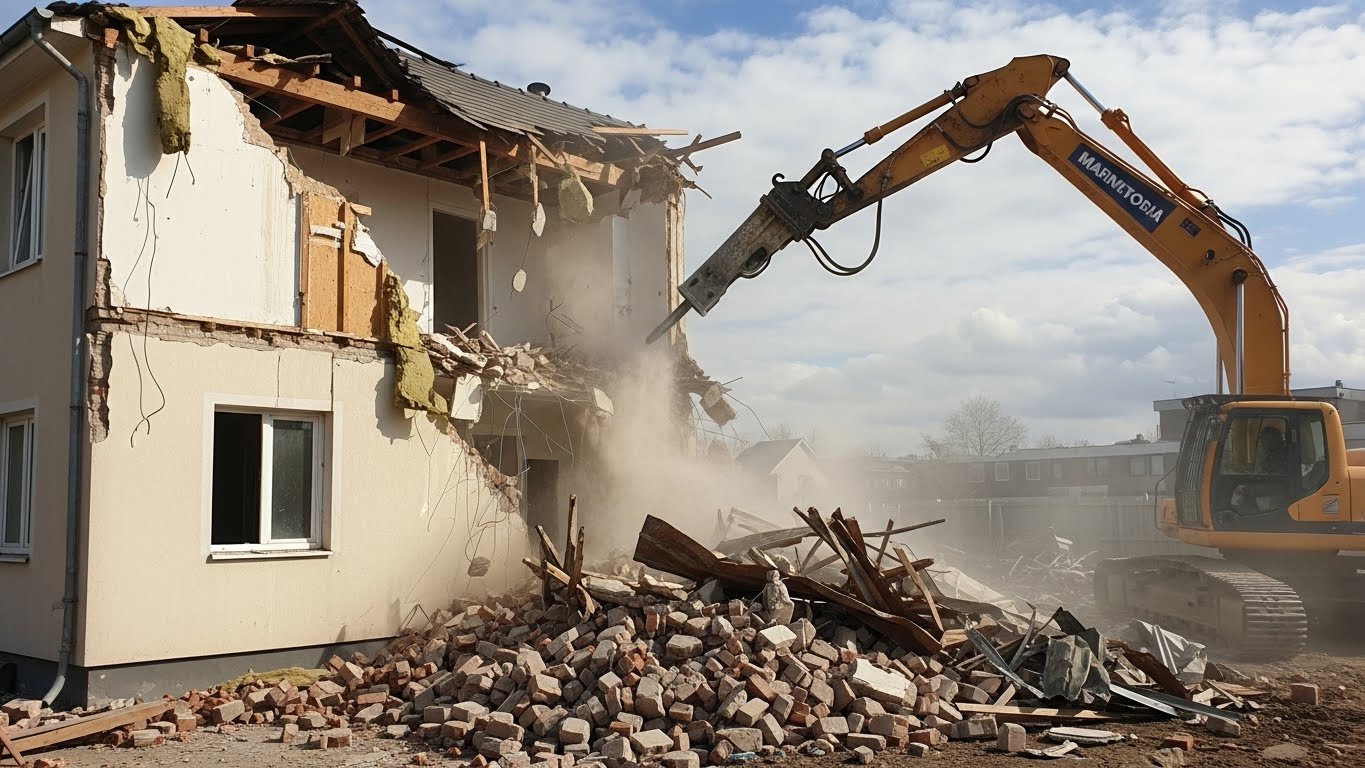
Now comes the part most people picture when they think about demolition in NYC. The building actually comes down.
The method depends on the structure and location. Common approaches include:
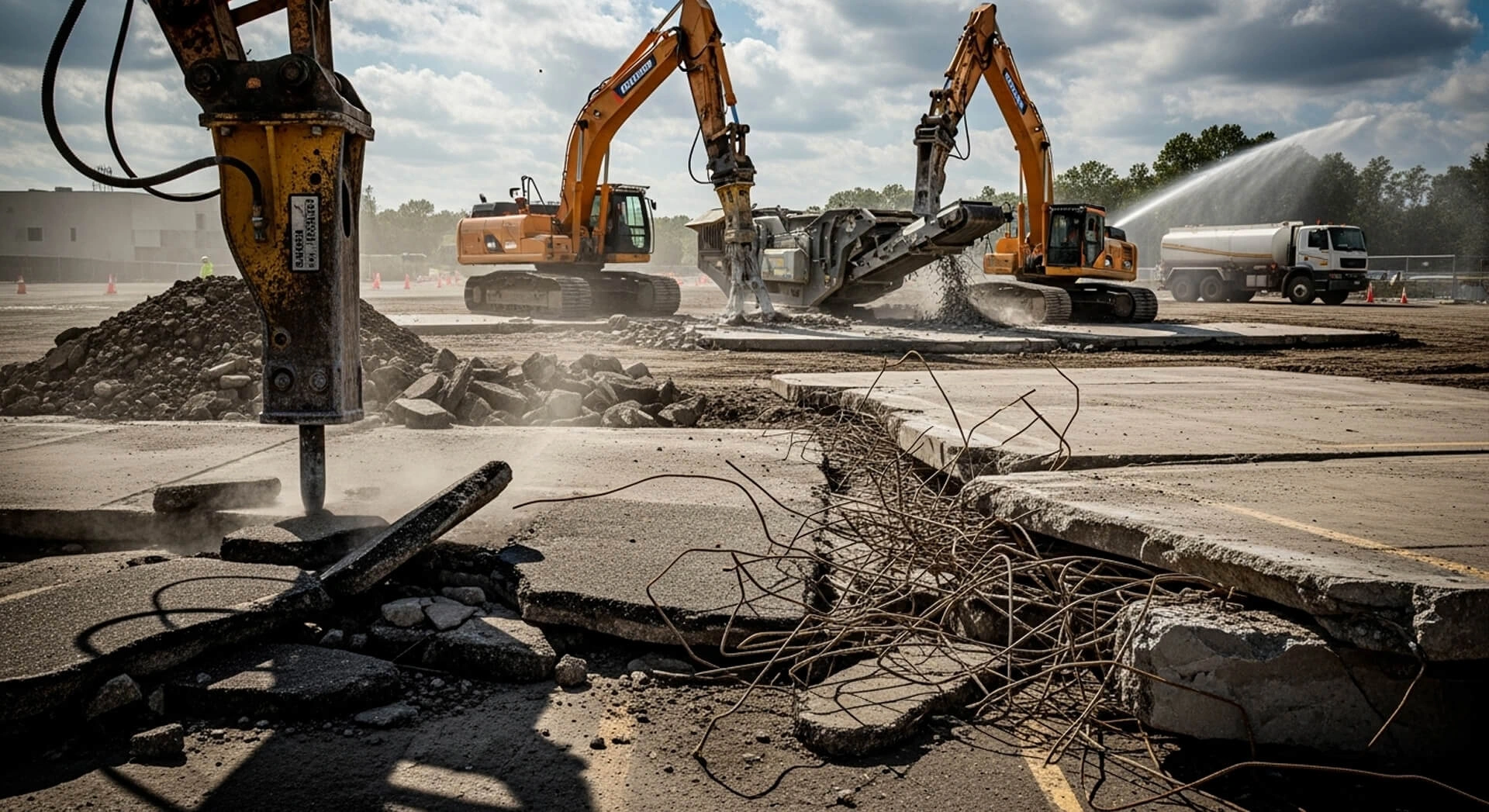
- Mechanical demolition using excavators and hydraulic equipment
- Deconstruction, which takes buildings apart piece by piece
- Implosion for large structures in specific situations
In dense urban areas like New York, mechanical demolition and deconstruction are most common. Implosions are rare because of the risks to surrounding buildings.
During this phase, crews work systematically. They don’t just start swinging. They follow a plan that accounts for structural stability, safety zones, and debris management.
Dust control is also important. Water sprays and barriers help keep particles from spreading to neighboring properties.
Step 6: Debris Removal and Cleanup
Once the structure is down, the work isn’t over. All that debris has to go somewhere.
A single residential demolition can generate 20 to 30 tons of debris. Commercial buildings produce even more. Sorting, hauling, and disposing of all that material takes time and coordination.
Good demolition companies separate materials for recycling. Concrete, metal, and wood can often be repurposed. This reduces landfill waste and sometimes lowers disposal costs.
The site also needs to be cleaned and graded. Depending on what comes next, the ground might need preparation for new construction.
Step 7: Final Inspection and Documentation
After everything is cleared, a final inspection confirms the job was completed properly. The city may require documentation showing that permits were followed and hazardous materials were handled correctly.
This paperwork matters. If you plan to build something new, you’ll need proof that the demolition was done right. Missing documentation can delay future projects.
Why the Right Partner Matters
Demolition involves a lot of moving parts. Permits, safety protocols, hazardous materials, debris disposal. Each step has rules and risks. Trying to manage it all without experience can lead to costly mistakes.
That’s why choosing the right demolition company in NYC matters so much. A team that knows the process can keep your project on track and out of trouble.
We Handle All Types of Demolitions in NYC
At Spartan Demolition, we’ve guided property owners through demolition in NYC projects for years. We handle everything from permits to cleanup. Our team knows the city’s regulations inside and out.
We communicate clearly at every stage. No surprises. No hidden costs. Just straightforward work from people who know what they’re doing.
Your property deserves a team that takes the job seriously. Whether it’s a small interior teardown or a full building demolition, the process matters. Cutting corners creates problems that last long after the dust settles.
You’ve got a vision for your property. Maybe it’s a renovation. Maybe it’s something completely new. Whatever comes next, the demolition phase sets the foundation.
Don’t leave that foundation to chance. Call Spartan Demolition Company in NYC today. Let’s walk through your project and show you how a professional approach makes all the difference.