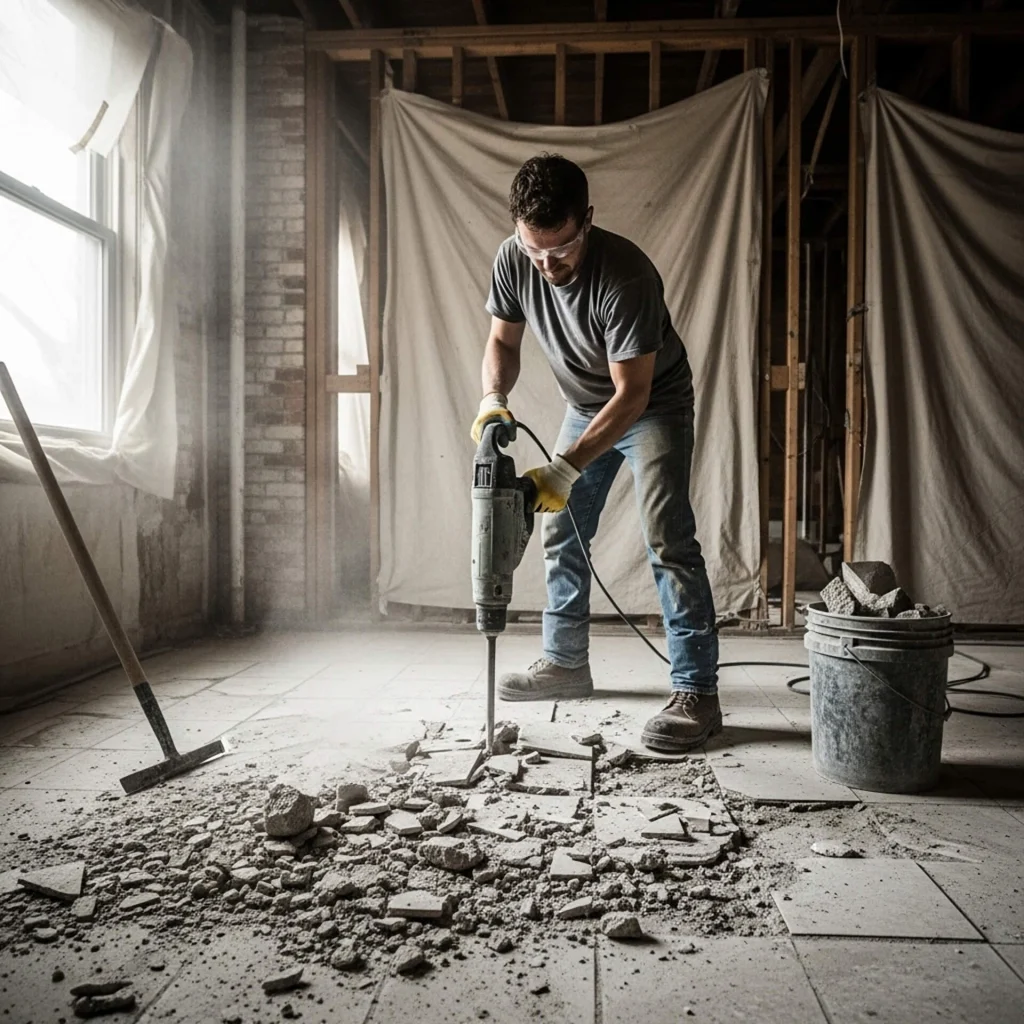
Urban construction projects demand precision, safety, and technical control. Dense buildings, aging infrastructure, and limited access areas create serious challenges for demolition contractors. Confined-space demolition solves these challenges by allowing crews to remove structures safely within tight, enclosed spaces. In major metropolitan areas, confined space demolition in NYC plays an important role in renovation, restoration, and structural modification projects. Contractors often combine this approach with selective demolition in NYC to achieve accuracy without risking surrounding structures.
In this blog, we will discuss what confined space demolition means, how it works, when projects require it, and why it matters in modern construction.
What is Confined Space Demolition
Confined space demolition refers to the controlled removal of structural components inside restricted or enclosed areas. These spaces limit movement, airflow, visibility, and equipment access. Workers operate inside basements, shafts, tunnels, crawl spaces, mechanical rooms, and interior sections of occupied buildings.
Unlike traditional demolition, confined space demolition focuses on precision. Crews remove targeted materials without disturbing load-bearing elements or nearby systems. Contractors plan every cut, break, and removal step before starting work.
This method supports renovations, retrofits, and partial structural changes where full demolition would cause unnecessary damage or safety risks.
Also Read:
What Qualifies as a Confined Space?
A confined space meets three key conditions:
- Limited entry and exit points
- Restricted movement for workers or equipment
- Not designed for continuous occupancy
Examples include elevator shafts, boiler rooms, underground vaults, utility corridors, silos, storage tanks, and interior structural cavities. Many older buildings in New York City contain such spaces due to outdated designs and layered renovations.
Projects inside these areas require specialized demolition methods to avoid collapse, exposure hazards, and regulatory violations.
How Confined Space Demolition Differs From Standard Demolition
Standard demolition relies on open access, heavy machinery, and large debris removal zones. Confined space demolition eliminates those advantages.
Differences include:
- Use of compact, low-vibration tools
- Manual and semi-mechanical techniques
- Detailed sequencing plans
- Strict safety monitoring
- Controlled debris handling
Contractors remove materials in small sections and transport debris through limited paths. This approach prevents structural stress and protects nearby occupants and utilities.
Tools and Techniques Used in Confined Space Demolition
Confined space demolition requires specialized equipment that fits tight areas and reduces vibration.
Common tools include:
- Electric and hydraulic breakers
- Handheld saws and grinders
- Wire saw systems
- Mini robotic demolition machines
- Core drilling equipment
Crews often rely on dust suppression systems and noise-control barriers. Engineers calculate load transfers before removing any structural component. Supervisors monitor oxygen levels and air quality throughout the project.
These tools allow contractors to perform selective demolition in NYC buildings without disrupting adjacent spaces.
Safety Risks in Confined Space Demolition
Confined spaces introduce serious safety hazards that demand strict controls.
Major risks include:
- Limited oxygen levels
- Dust and airborne particles
- Structural instability
- Poor visibility
- Restricted emergency exits
Professional contractors implement confined space entry procedures before work begins. Teams test air quality, install ventilation systems, and assign safety supervisors. Workers use protective gear and communication systems to stay connected inside enclosed zones.
When Is Confined Space Demolition Required?
Certain conditions make confined space demolition unavoidable. Contractors choose this method when space limitations or structural concerns prevent standard demolition techniques.
Interior Renovations in Occupied Buildings
Many commercial and residential renovations require demolition inside active buildings. Tenants, businesses, and essential services continue operating during construction. Confined space demolition allows contractors to remove walls, floors, or systems without disturbing daily operations.
This situation commonly occurs in confined space demolition in NYC office towers, hospitals, and mixed-use buildings.
Structural Modifications and Retrofits
Engineers often modify existing structures to meet modern codes. These upgrades involve removing beams, slabs, or supports from enclosed areas. Confined space demolition allows precise removal while preserving overall structural integrity.
Retrofit projects demand accuracy because errors can compromise safety.
Mechanical, Electrical, and Plumbing (MEP) Upgrades
Older buildings contain outdated mechanical and utility systems hidden inside narrow shafts and service corridors. Contractors must remove these systems to install modern replacements.
Confined space demolition enables crews to dismantle old ductwork, piping, and wiring without opening large sections of the building envelope.
Basement and Underground Construction
Basements and underground levels create natural confined spaces. Contractors use confined space demolition to lower floors, remove foundation sections, or create new access points.
This method supports expansion projects where property boundaries restrict outward growth.
Industrial and Infrastructure Projects
Industrial facilities contain tanks, silos, tunnels, and vaults that qualify as confined spaces. Demolition inside these areas demands controlled techniques to avoid contamination, explosions, or structural failures.
Infrastructure repairs often require selective removal inside enclosed environments.
The Role of Planning and Engineering
Successful confined space demolition starts long before workers enter the site. Engineers assess structural loads, material composition, and access constraints. Contractors develop step-by-step demolition sequences to maintain stability at every stage.
Planning includes:
- Structural analysis
- Hazard identification
- Equipment selection
- Waste removal logistics
- Emergency response planning
This preparation ensures safe execution and regulatory compliance.
Confined Space Demolition vs. Selective Demolition
Confined space demolition and selective demolition often overlap but serve different purposes.
Selective demolition focuses on removing specific components while preserving others. Confined space demolition focuses on working conditions and access limitations.
Many projects combine both methods. Contractors performing selective demolition in NYC frequently encounter confined spaces that require specialized techniques.
Together, these methods allow targeted, low-impact demolition in complex environments.
Read More:
Why Confined Space Demolition Matters in NYC
New York City presents unique construction challenges. Dense neighborhoods, historic buildings, and strict regulations demand precise demolition methods. Contractors cannot rely on heavy machinery or open-air techniques in most projects.
Confined space demolition in NYC supports:
- High-rise renovations
- Subway and utility upgrades
- Historic building preservation
- Mixed-use property redevelopment
This method allows progress without compromising safety, property value, or public infrastructure.
Choose the Right Contractors For Confined Space Demolition in NYC
Not every demolition contractor qualifies for confined space work. Experience, certifications, and safety records matter.
When selecting a contractor, look for:
- Proven experience with confined spaces
- Knowledge of local regulations
- Engineering support
- Safety training programs
- Transparent project planning
Choosing the right contractors for confined space demolition in NYC requires more than basic demolition experience. Contractors must understand tight-access environments, structural risks, and strict city regulations. At Spartan Demolition, our skilled teams plan each phase carefully to protect surrounding structures and active occupants. They use specialized tools, low-vibration techniques, and controlled debris removal to maintain safety and precision. Call us today and book an appointment for demolition in NYC.